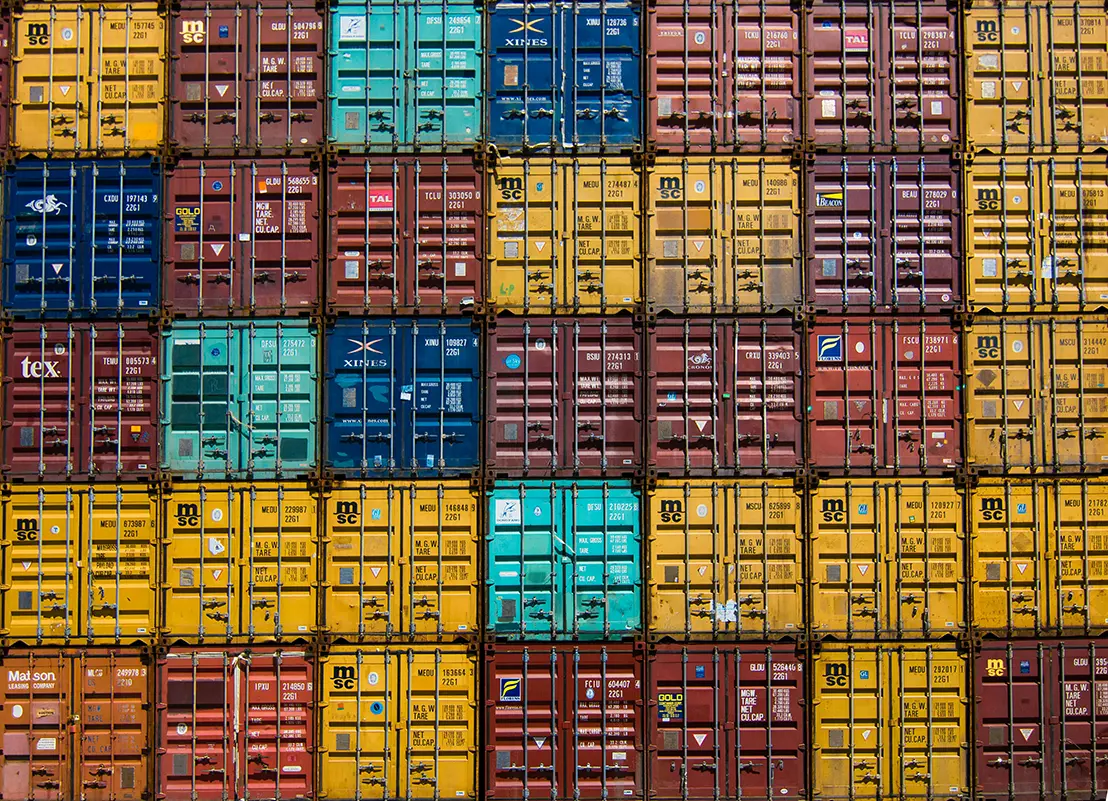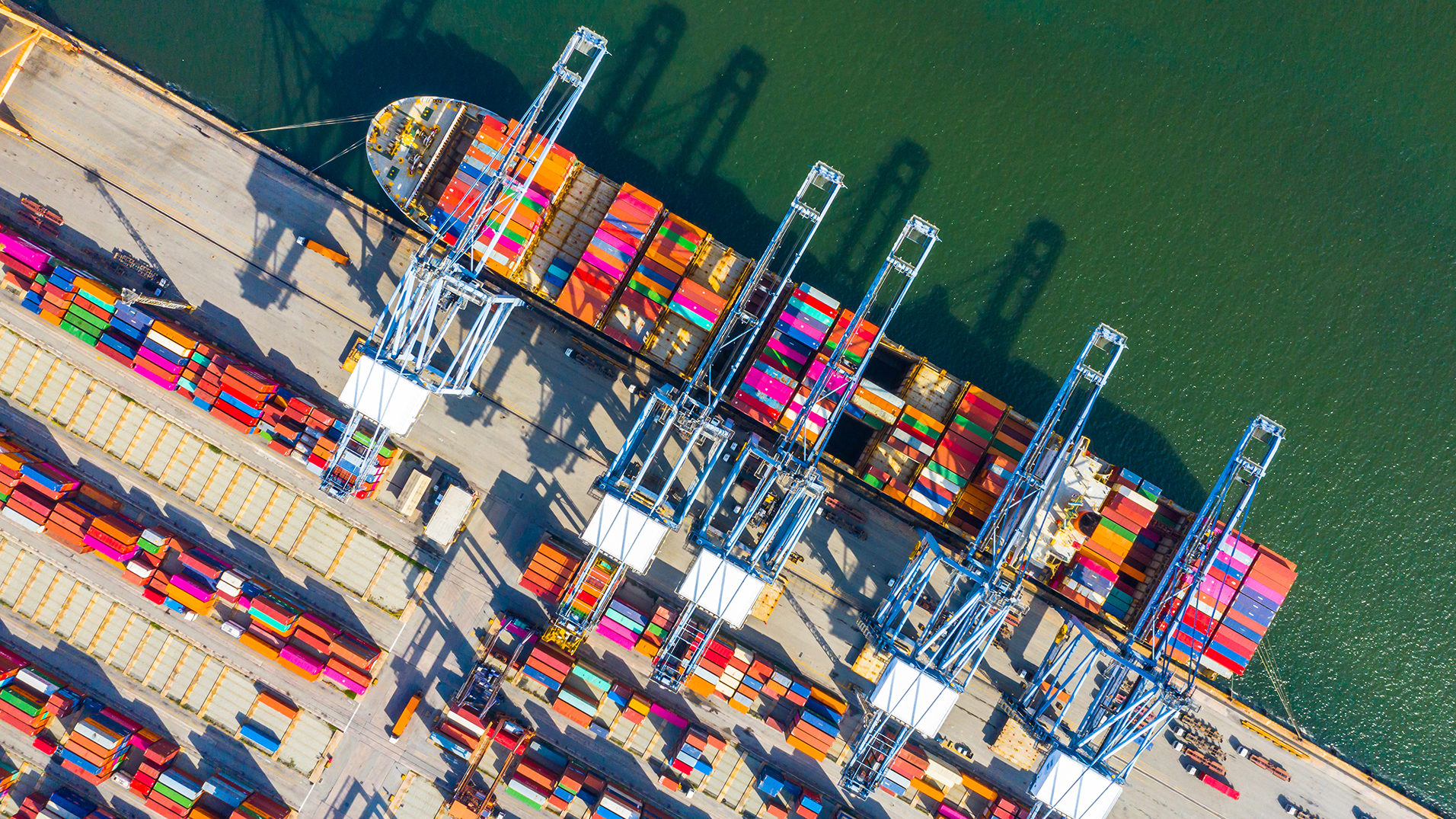
If you source products from China, you’ve likely experienced at least one supply chain crisis in the past five years. A pandemic. A shipping container shortage. Port congestion. Tariff shocks. A cargo ship deciding to parallel park sideways in the Suez Canal.
The Very Serious People in the consulting world call these “black swan events,” a term meant to imply they are rare and unpredictable deviations from the norm. But they happen all the time. According to the World Economic Forum, supply chain disruptions jumped 38% in 2024, driven by extreme weather, geopolitical tensions and cyberattacks.
Large corporations fight back with “war rooms” and sophisticated forecasting models to simulate global risks. But if you are running a small- or mid-sized importing business, that kind of infrastructure is simply fantasy. You don’t have the bandwidth, and you certainly don’t have the budget to play “global chess” with a team of full-time analysts.
Unsurprisingly, a 2022 McKinsey survey found that 45% of companies either have no visibility into their upstream supply chain or can see only as far as first-tier suppliers.
So, what is the alternative? We think it’s better for smaller companies to stop playing amateur meteorologist and focus on agility instead.
I know, “agility” sounds like abstract nonsense, but it actually translates into a few very real, very concrete practices that any business can start using today.
1. Secure Access to Credit Before You Need It
It’s a basic tenet of business that cash flow problems kill companies faster than supply chain problems do. When a crisis hits, you need working capital (liquidity) to place rush orders, pay for expedited shipping, or simply survive a period of reduced revenue.
The time to secure a credit line is when the sun is shining, not when the storm breaks. Establish relationships with your bank and set up credit facilities now.
As the old saying goes: “You can only get a loan when it looks like you don’t need one.” Once you show signs of financial strain, your options dwindle. When the next disruption arrives, you want to be holding the cash, not begging for it.
2. Invest in Supplier Relationships
Your suppliers remember how you treated them when you had leverage. If you squeezed them on price and slow-paid invoices, do not expect them to prioritise you when capacity tightens.
Research published during COVID-19 confirmed that collaborative action between manufacturers and suppliers positively affects all stages of resilience: preparation, response and recovery. Presumably, this is because closer partnerships allow firms to share the burden of risk rather than just dumping it on each other!
When disruption hits, these relationships pay dividends. Suppliers extend payment terms. They prioritize your orders. They give you honest information about delays instead of telling you what you want to hear.
Actually, this is one of the main benefits of hiring somebody through The China Desk. Having permanent, on-the-ground representation allows you to build solid, long-term relationships with your suppliers that you just can’t get over email.
3. Simplify Your Product Line
Every extra SKU you carry is just another way for things to go wrong. Each customization creates a dependency on a specific supplier, specific tooling or specific materials. When a supply chain crisis eventually hits, all that complexity quickly turns into fragility.
Major corporations have already learned this lesson. Nestlé launched “Project Tasty” in 2021 to trim down its portfolio complexity and increase the availability of its high-performing SKUs amid pandemic-era supply chain issues.
It’s worth asking yourself: do you really need every single one of those variations? Consolidating your product line lets you work with fewer vendors, place larger orders and build deeper relationships with the suppliers you keep. It can also mean reduced logistics costs across warehousing, transportation and inventory holding.
Plus, life just gets easier when you have less to manage!
The Resilience Mindset
At the end of the day, you can’t manage a business by staring at a crystal ball.
We think the best way to make sure you’re resilient as an SME sourcing in China is to be positioned to adapt: cash in the bank, boots on the ground at The China Desk to keep suppliers loyal, and a product line simple enough to pivot without a nervous breakdown.
We can’t predict what will happen next, but we can build the buffer to survive it.